the ENVIRONMENT
Santa Cruz de La Palma
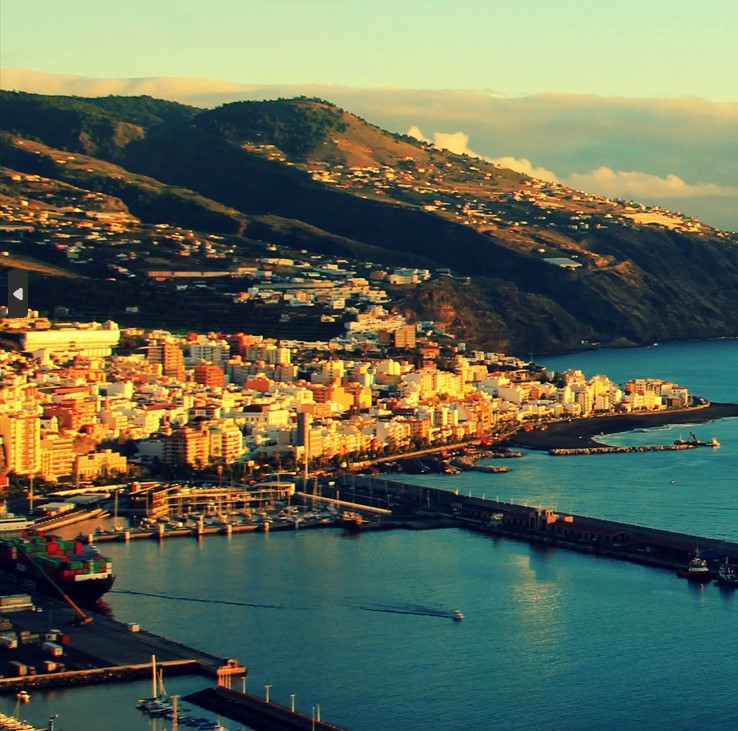
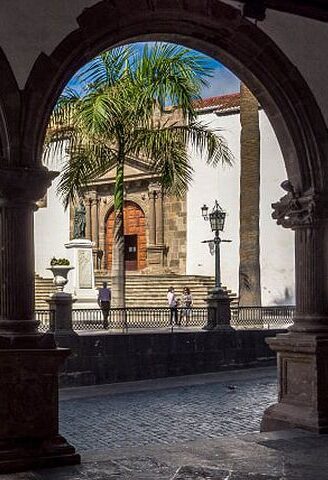
Santa Cruz de La Palma is a small city with a colonial air that preserves in its historic centre, declared a Historic-Artistic Site, numerous palaces, churches, colonial-style buildings and houses of traditional Canarian architecture.
Plaza de España
A meeting point for the people of La Palma, it is home to some of the most important buildings on the island. The Town Hall, the Iglesia Matriz de El Salvador and the Fuente Pública, which make this Renaissance complex unique in its style in the Canary Islands.
Calle Real
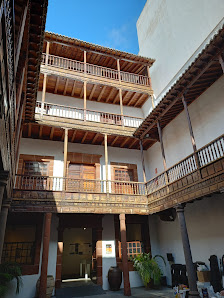
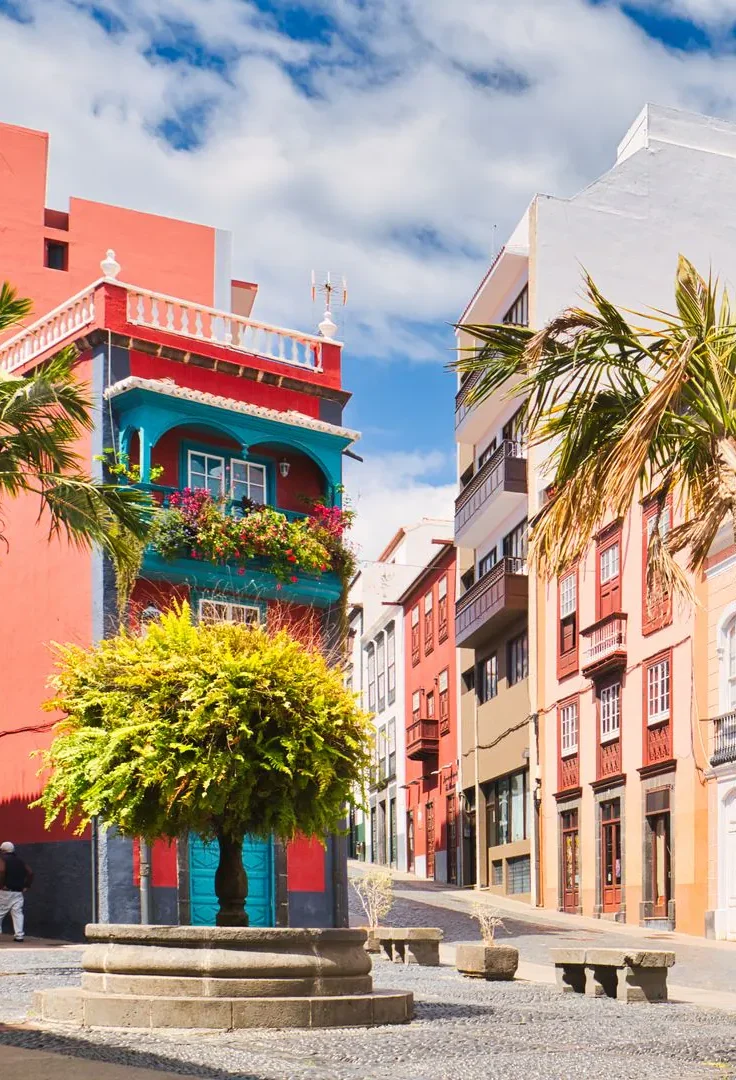
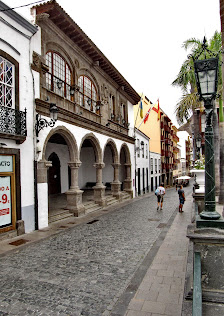
The traditional Calle Real of Santa Cruz de la Palma is made up of two streets, Calle O’Daly in the south and Calle Anselmo Perez de Brito in the north.
Parallel to the promenade it is the main street of the capital of La Palma. It is a lively pedestrian street lined with stately mansions, traditional shops and old businesses that are a sign of the economic importance of the city in times gone by.
Alameda
At the end of Anselmo Perez de Brito Street is the Plaza de la Alameda, where a curious construction, the Barco de la Virgen, stands out.
It is a replica of Christopher Columbus’ caravel. Inside, there is a small Naval Museum where you can admire old maps, nautical instruments and historical documents that tell the story of La Palma’s important relationship with maritime trade and the Atlantic routes.
Opposite the ship is the castle of the Virgin, both of which are the protagonists of one of the most important acts of the Bajada de la Virgen, the Dialogue between the Castle and the Ship.
San Sebastian & La Luz
Exploring the charming neighbourhoods of San Sebastian, de la Luz and San Telmo in Santa Cruz de La Palma is an experience that many overlook.
They are among the oldest and most historic quarters of the city.
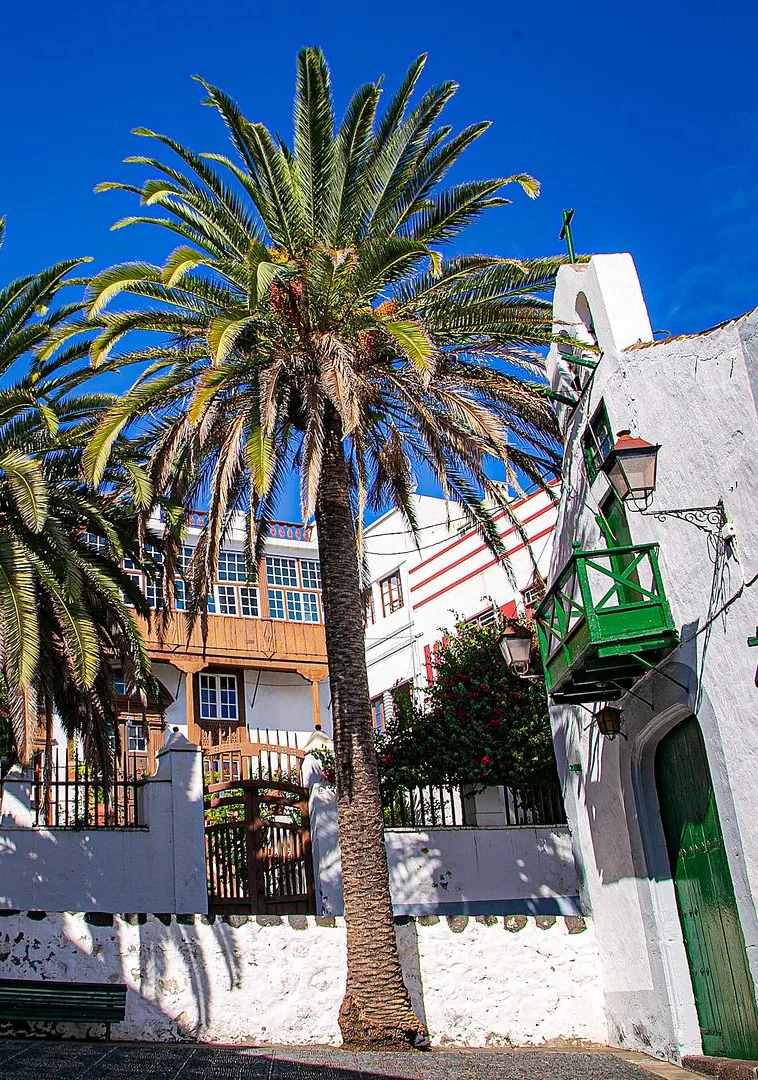
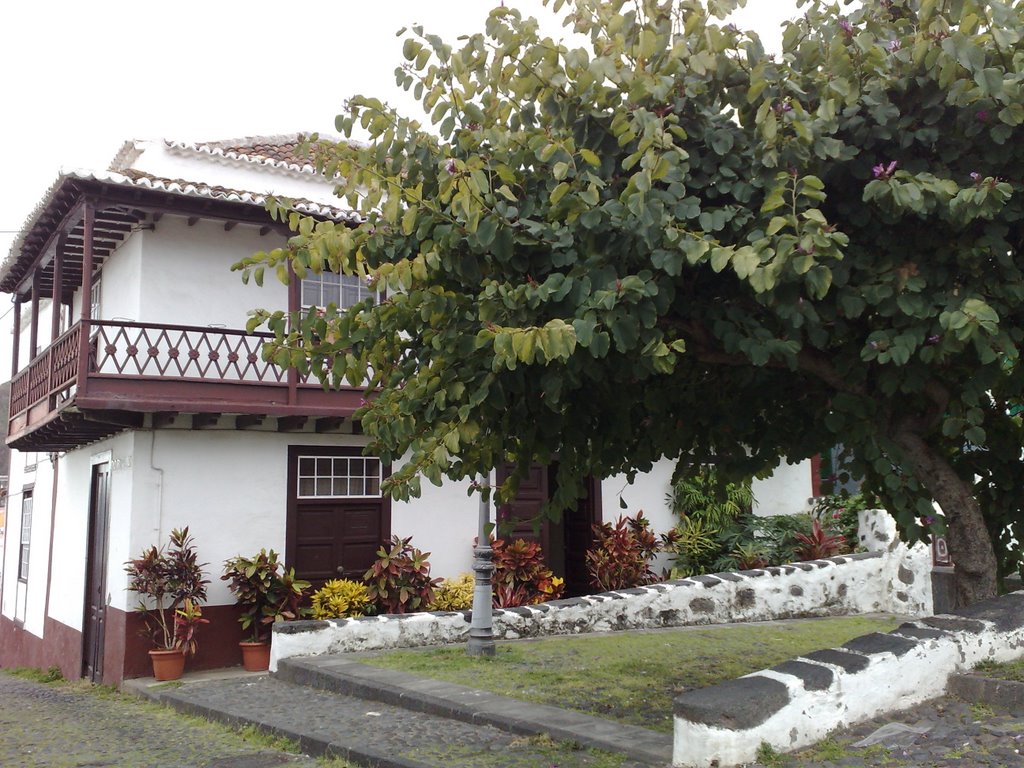
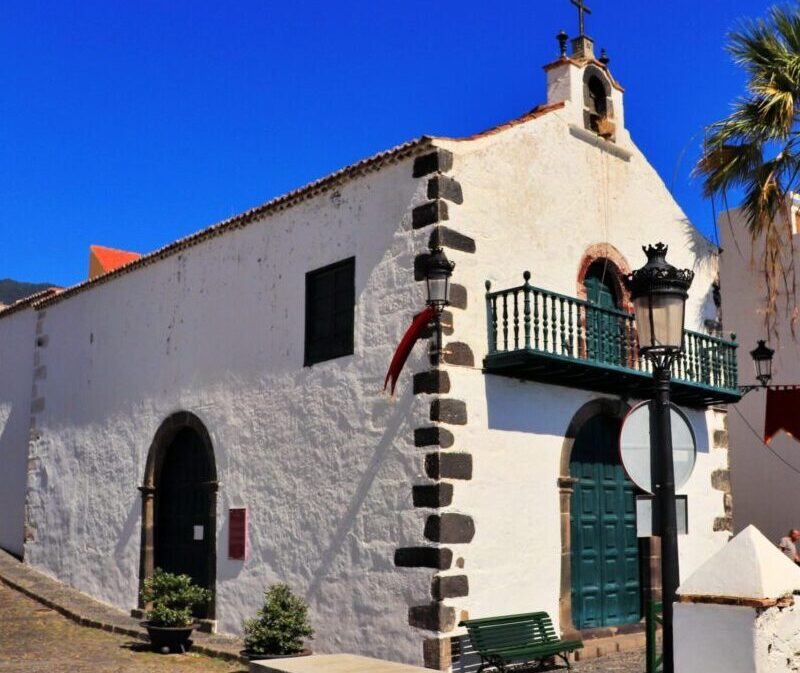
Churches such as Santo Domingo, San Sebastían or La Luz, Circo de Marte Theatre, traditional houses such as the Barrio de la Canela or the Plaza del Dornajo, or the Van de Walle house, define the identity of the neighbourhood.